

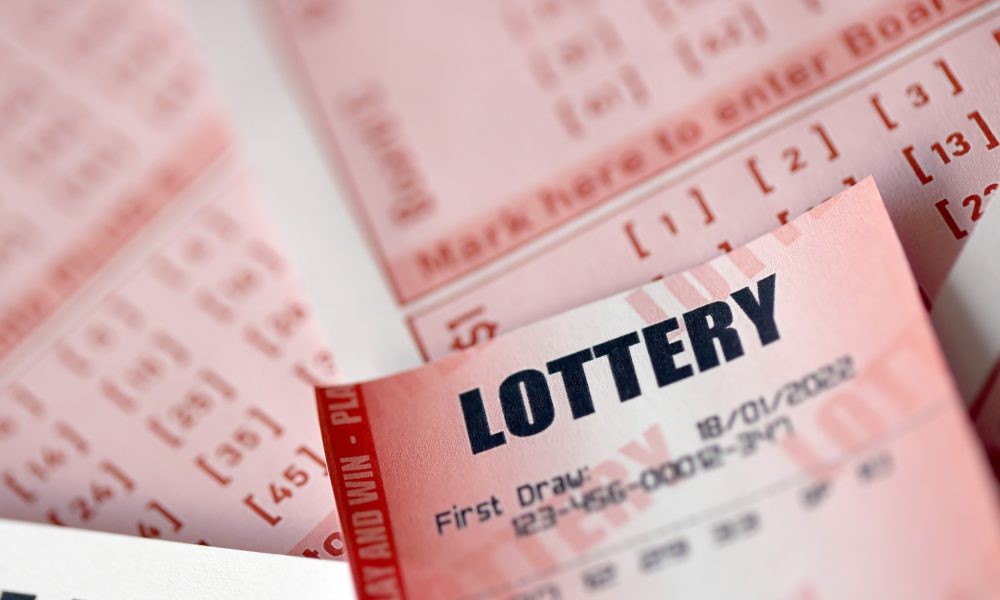
Confirmation does not always arrive the moment a submission goes through. Behind every entry sits a short verification chain that moves at its own pace, depending on conditions running quietly in the background. Payment status, session volume, closing proximity, and connection stability all feed into how quickly a combination reaches the active pool. แทงหวย have hundreds of submissions arrive simultaneously during busy windows, and each one clears those stages independently. Some confirmations land within seconds, others take a little longer without anything going wrong on either side. Participants who know what shapes that timing rarely feel unsettled when a confirmation takes slightly longer than the previous session.
Submitting early removes most uncertainty attached to processing timing. Late submissions have more exposure than earlier ones because less time remains to absorb any minor delay before the window closes. Most participants discover this after their first experience with a confirmation that arrived far closer to closing than expected.
Verification at the first stage
Payment confirmation is the first checkpoint any submission hits after leaving the participant’s screen. Before a combination gets registered into the active pool, the attached transaction needs to be cleared. Standard methods process within seconds, but card authorisations occasionally pause for additional checks depending on the issuing bank. Digital wallet submissions clear faster because fewer intermediary steps sit between the participant and the confirmation system.
When a transaction stalls, the submission waits regardless of how much time remains before closing.
Keeping a verified, active payment method on file removes this variable almost entirely and keeps every submission moving without interruption from the opening stage onward.
Server load and peak periods
Confirmation speed is not constant across any session. Early in a window, volumes stay manageable, and responses arrive quickly. Activity builds as closing approaches, pushing system load higher across every active event simultaneously. What felt like a two-second confirmation at noon can take noticeably longer during peak evening hours simply because far more submissions are moving through the same pipeline at once.
Submitting ahead of high-volume windows sidesteps most delays without changing how combinations are selected.
Promotional rounds, major jackpot closings, and overlapping event windows consistently produce the heaviest confirmation queues. Participants who recognise these patterns and adjust submission timing accordingly rarely experience delays worth noticing.
Submission status and closing proximity
Combinations arriving early carry no risk of falling outside the active window, even if a minor pause occurs during authorisation. Late submissions carry more exposure. A brief delay can push a combination past the closing threshold, removing it from the current session entirely.
Most accounts display real-time status after every submission:
- Pending means the combination is moving through the authorisation stages
- Confirmed means the combination is fully registered in the active pool
- Unsuccessful means the session closed before authorisation was completed
Checking this status after submitting takes seconds and removes any doubt about whether a combination is active before the draw runs.
Combinations submitted early, with verified methods and stable connections, are clear and clean in almost every session without complication.
